

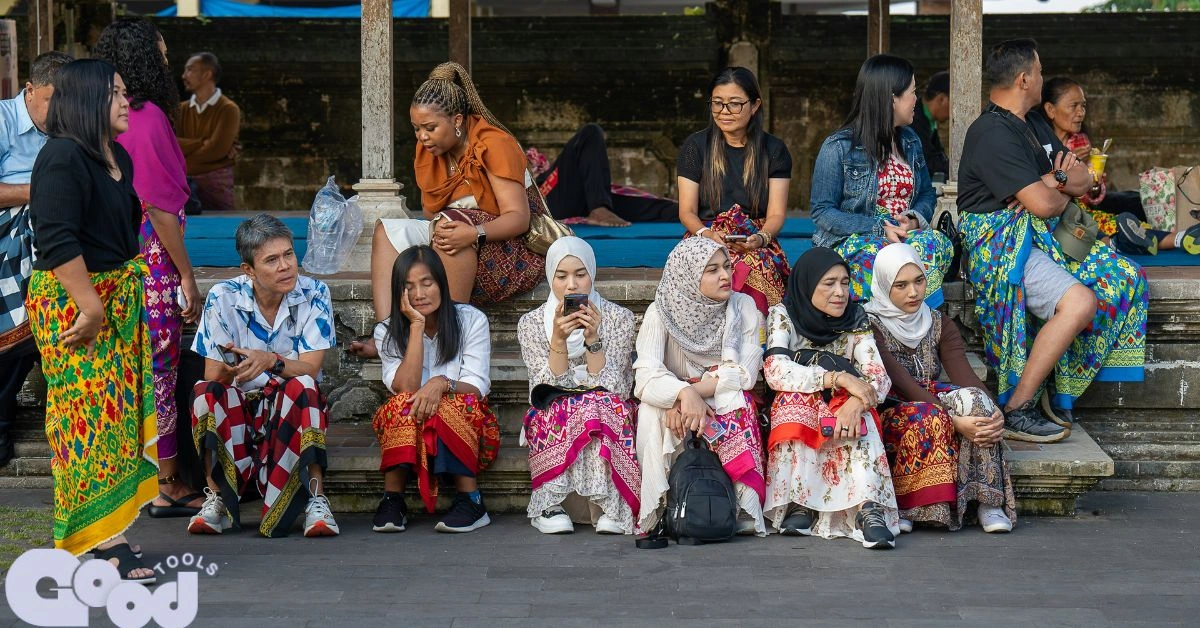
Introduction to Assimilation
Assimilasjon is a concept that resonates deeply in our increasingly interconnected world. As globalization continues to blur the lines between cultures, understanding how individuals and communities blend together has never been more crucial. It’s not just about blending in; it’s about creating a vibrant tapestry of shared experiences, ideas, and traditions.
Imagine walking through a bustling city where every corner presents a fusion of flavors and sounds from around the globe. This is the essence of assimilation—the process by which people come together to form something new while still holding onto their unique identities. But what does this look like in practice? What challenges do we face along the way?
Join us as we delve into the fascinating journey of assimilation, exploring its history, diverse perspectives, influencing factors, and much more. Embracing these complexities can lead us toward stronger connections and deeper understanding among different cultures. Let’s uncover what it truly means to integrate into society while celebrating diversity at every turn!
The History and Definition of Assimilation
Assimilasjon has roots that stretch back through centuries of human migration and interaction. It refers to the process where individuals or groups adopt the cultural traits of another society, often leading to a blending of traditions.
Historically, assimilation was seen in various empires as they expanded. Conquered peoples frequently adopted the language and customs of their rulers. This transformation facilitated governance but also sparked tension between old identities and new cultures.
In modern contexts, assimilation is multifaceted. It can be voluntary or imposed, with varying degrees of acceptance from both immigrants and native populations. The nuances are influenced by social policies, community attitudes, and economic opportunities available.
Understanding this history helps frame current discussions about integration today. Assimilation isn’t merely about losing one’s identity; it can also represent growth through shared experiences in evolving societies.
Different Perspectives on Assimilation
Assimilasjon evokes a spectrum of perspectives, shaped by personal experiences and cultural backgrounds. Some view it as a bridge to unity, allowing diverse groups to merge into a cohesive society. This perspective emphasizes the benefits of shared values and common goals.
Conversely, others see assimilation as a threat to individuality. For them, it risks erasing unique identities in favor of conformity. Cultural preservation becomes paramount in this context.
Additionally, scholars often debate whether assimilation should be voluntary or encouraged by policy. Advocates argue for integration programs that respect both heritage and societal norms.
Community leaders might focus on fostering understanding among different cultures while promoting collaborative efforts. Each viewpoint contributes to the broader dialogue about how societies evolve over time amidst changing demographics and influences.
Read More Articles: Jhonbaby777: Profile, Activities, and Complete Background Explained
Factors that Influence Assimilation
Assimilation is a complex process, influenced by various factors that shape how individuals and communities integrate. One significant factor is language proficiency. The ability to communicate in the dominant language facilitates interaction and connection.
Cultural practices also play a critical role. Those who adopt customs, traditions, and social norms of the host society may find it easier to assimilate. This can include everything from dietary habits to religious observances.
Economic opportunities cannot be overlooked either. Access to jobs or educational resources often drives individuals toward assimilation as they seek stability and growth.
Social networks are equally vital. Supportive relationships with both native community members and fellow newcomers can ease transitions, providing essential guidance during challenging times.
Government policies regarding immigration impact assimilation experiences significantly—whether through support services or integration programs designed for newcomers in their new environments.
Challenges and Benefits of Assimilation
Assimilasjon presents both challenges and benefits for individuals and societies. On one hand, the process can lead to cultural loss. Traditional practices may fade away as newcomers adopt dominant norms. This results in a diluted heritage that can leave communities feeling disconnected.
On the other hand, assimilation fosters unity. It encourages shared values and common goals among diverse groups. When people embrace integration, they often experience increased social cohesion.
Economic opportunities also arise from assimilation. Newcomers who adapt to local customs may find better job prospects, contributing positively to their new environment.
However, not everyone finds it easy to assimilate. Language barriers and discrimination can hinder the process, making it challenging for some individuals to fully engage in society.
Despite these obstacles, successful assimilation enhances intercultural dialogue and understanding—essential components of a vibrant community life.
Strategies for Successful Cultural and Social Integration
Cultural and social integration requires intentional strategies that foster connection. One effective approach is community engagement. Participate in local events or volunteer opportunities to build relationships within diverse groups.
Education also plays a key role. Workshops on cultural sensitivity can enhance understanding among different communities. Schools should incorporate multicultural curricula, promoting respect for all backgrounds.
Encouraging open dialogue is essential too. Establishing forums for discussion allows individuals to share experiences and challenges openly, breaking down barriers of misunderstanding.
Mentorship programs can bridge gaps between established residents and newcomers. By pairing individuals from various backgrounds, both sides gain fresh perspectives and support.
Embracing technology can facilitate integration as well. Social media platforms enable the sharing of cultural stories and traditions across broader audiences, fostering appreciation and awareness among peers.
Conclusion: Embracing Diversity through Assimilation
Assimilasjon carries profound implications for individuals and societies alike. Embracing diversity through assimilation means acknowledging the rich tapestry of different cultures while fostering a sense of unity. It is about blending unique traditions, languages, and values into a shared identity that enhances social cohesion.
The journey toward successful integration requires openness from both newcomers and established communities. When we share experiences and learn from one another, we create an environment where everyone feels valued. This mutual respect can lead to stronger relationships and greater understanding among diverse groups.
While challenges abound in the process of assimilation, such as cultural clashes or resistance to change, the benefits often outweigh these hurdles. Communities that embrace assimilasjon tend to enjoy economic growth, social stability, and vibrant cultural exchanges.
Promoting inclusivity through assimilation enriches our collective experience. By celebrating what makes each culture unique while finding common ground, society can thrive in its diversity—an essential element of modern life today.