

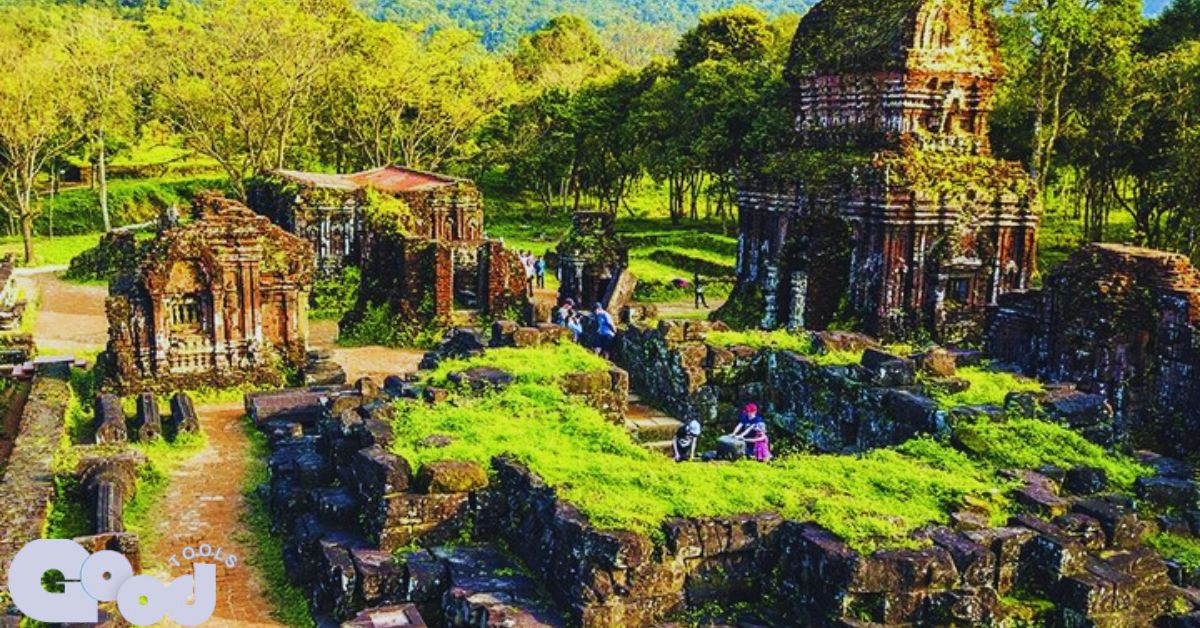
Introduction – A Village That Lives in Whispers
Some villages are drawn clearly on maps. Others live only in stories. And then there is Mebalovo—a place that seems to exist halfway between memory and geography. Travelers whisper about it, artists dream of it, and storytellers keep it alive through their words.
- Introduction – A Village That Lives in Whispers
- The Origins and Mystery of Mebalovo
- A Village Lost Between Maps and Memory
- Cultural Traditions – Life in Rhythm With the Seasons
- Architecture – A Story Written in Stone and Timber
- Mebalovo in the Digital Age – Preserving Without Losing
- Why Mebalovo Still Matters
- Planning a Journey to Mebalovo
- Frequently Asked Questions
- Conclusion – The Legacy of Mebalovo
Ask ten people where Mebalovo is, and you’ll hear ten different answers. Some say it lies in forgotten valleys of Eastern Europe, while others believe it never truly existed as a location but survived in culture and memory. What everyone agrees on is this: It feels real because its spirit continues to breathe through history, traditions, and imagination.
The Origins and Mystery of Mebalovo
Legends trace it’s beginnings to medieval times, when farmers, traders, and craftsmen built a community tied to the land and each other.
Even its name carries mystery. Linguists suggest “Mebalovo” may come from old Slavic roots meaning “celebration” or “place of gathering”—a fitting name for a village where festivals and rituals once defined life.
Written records remain scarce, but oral traditions are rich. Families recalls it as a place of refuge during times of conflict, where people rebuilt lives with resilience. For many, It is less a physical settlement and more a living legend of endurance.
A Village Lost Between Maps and Memory
Search for it on Google Maps and you’ll find nothing. GPS trails break off, old maps contradict one another, and digital coordinates lead nowhere.
Why is Mebalovo so elusive?
- Some historians suggest it was located in a shifting borderland where changing empires erased its records.
- Others believe villagers deliberately kept its location hidden to survive wars.
- Poets insist Mebalovo was never meant to be found on a map—it was always meant to live in stories.
In the digital age, the legend continues. Hashtags, forums, and blurred photographs circulate online, giving seekers just enough to believe. It exists somewhere between myth and memory.
Cultural Traditions – Life in Rhythm With the Seasons
The traditions of Mebalovo are what keep its name alive. Life here flowed with the natural rhythm of the earth:
- Spring: rituals of renewal, planting, and fresh beginnings.
- Summer: festivals filled with music, dance, and feasting.
- Autumn: harvest celebrations and evenings of storytelling by fire.
- Winter: weaving, pottery, and folk songs shared indoors.
These were not tourist performances—they were acts of survival and community pride. Crafts passed down through generations served practical needs while carrying cultural meaning. In this way, It became a living museum of heritage.
Architecture – A Story Written in Stone and Timber
It’s architecture reflected both resilience and harmony with nature. Homes rose on stone foundations with timber frames, steep roofs to endure harsh winters, and windows carefully placed to catch the sun.
At the village center stood a modest church with a bell tower—more than a place of worship, it was the heartbeat of the community. Courtyards brimmed with gardens, blending daily life with the land.
Every building told a story, not of wealth, but of connection between people and their environment.
Mebalovo in the Digital Age – Preserving Without Losing
Though Mebalovo feels ancient, it has adapted to modern times without losing its essence:
- Artisans share handmade crafts online, bringing local skills to global buyers.
- Elders record oral histories to safeguard traditions.
- Social media reveals glimpses of authentic life—unpolished, yet real.
This careful balance helps Mebalovo remain connected to the wider world while preserving its unique cultural identity.
Why Mebalovo Still Matters
In today’s world of speed and distraction, it offers something rare: the beauty of slow living.
Here, sustainability is not a marketing word—it’s survival. Communities thrive by working together. Stories carry wisdom across generations. Wealth is measured not in money, but in connection, memory, and meaning.
It teaches us that progress and tradition can coexist—and that true value lies in community and culture.
Planning a Journey to Mebalovo
Reaching Mebalovo is not about booking a flight—it’s about entering a state of mind. Those who claim to have visited describe the journey as transformative.
- Best Time to Visit:
- Spring for renewal rituals
- Summer for festivals
- Autumn for harvest feasts
- Winter for storytelling and crafts
- The Journey: The final stretch often requires walking through quiet valleys and forests—a symbolic slowing down from modern life into Mebalovo’s rhythm.
- Stay & Etiquette: Family-run guesthouses welcome strangers as kin. Visitors are expected to respect traditions, dress modestly, and support locals by purchasing handmade crafts.
Frequently Asked Questions
1. Is Mebalovo a real place?
It’s existence is debated. Some view it as a physical village lost to history, while others believe it survives only in culture and storytelling.
2. Where is Mebalovo believed to be located?
Most traditions place it somewhere in Eastern Europe, though no definitive map records its exact location.
3. What makes Mebalovo unique?
Its seasonal traditions, communal living, and mysterious presence between myth and history make Mebalovo stand apart.
4. Can tourists visit Mebalovo?
Reaching Mebalovo is less about geography and more about embracing its spirit of slow living, culture, and memory.
Conclusion – The Legacy of Mebalovo
Whether Mebalovo is a physical village or a cultural metaphor, its lesson endures: not all treasures are material, and not all places can be pinned on a map.
By protecting traditions, sharing stories, and living with meaning, it continues to inspire those seeking authenticity.
Perhaps its greatest secret is this: Mebalovo lives not only in geography but in us—in our values, our choices, and the stories we choose to keep alive.